Let’s be real, running on-site IT systems today is like using a flip phone when everyone else has smartphones. It gets the job done, but you’re not taking advantage of all the better, smarter options out there.
Moving to the cloud isn’t just the latest fad it’s how you stay in business. In today’s cutthroat online-focused world, companies big and small are figuring out that sticking with physical servers is like trying to win a race while moving in slow motion.
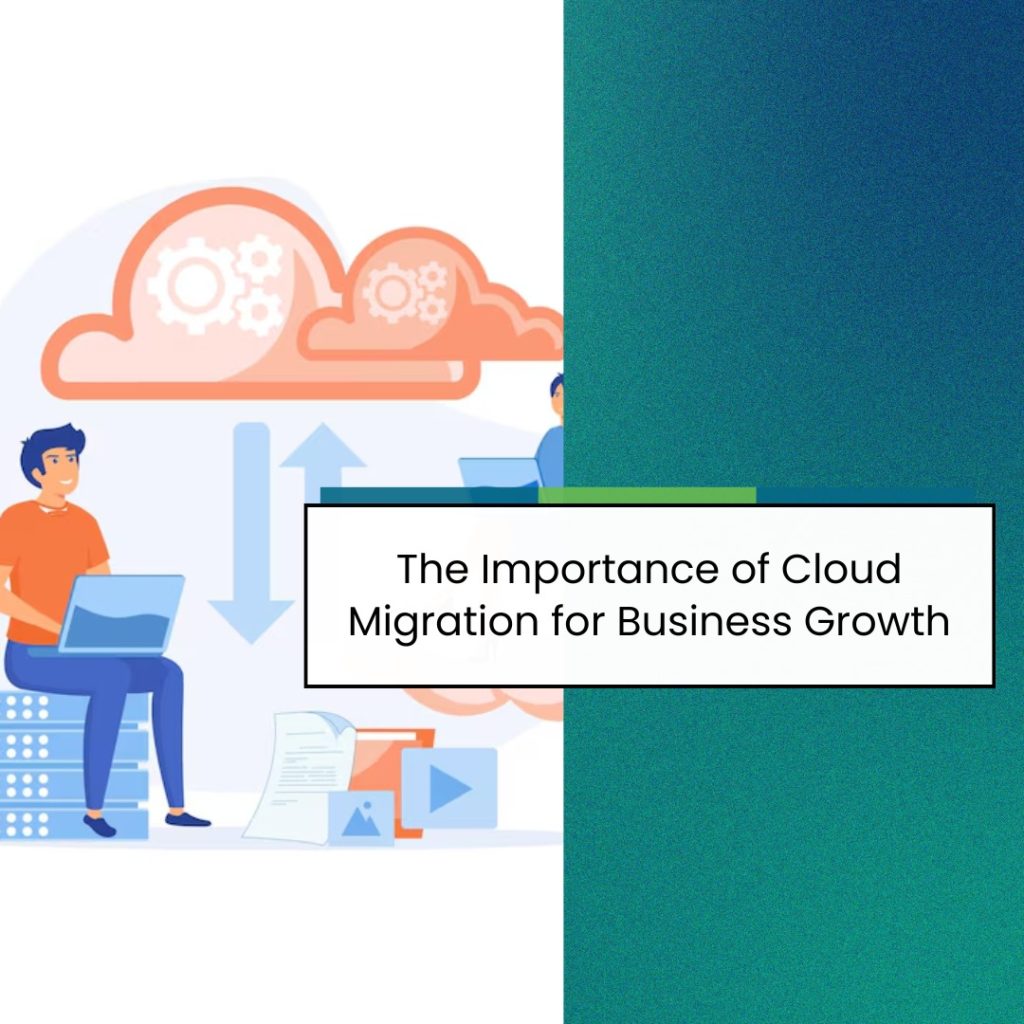
So, what’s cloud migration all about? It’s when you take your digital stuff data, programs, workloads and move them from old systems or in-house servers to cloud platforms like AWS, Microsoft Azure, or Google Cloud.
But here’s the cool part: cloud migration doesn’t just make things run better it helps you save cash, save time, and keep your cool. Let’s break it down for you.
How Cloud Migration Saves You Money:
1. No More Hardware Capital Expense
The expense for on-site servers is high upfront. In addition to the expenses for the servers themselves, there are costs for the space, cooling, security, uninterruptible power supply, and all other related expenses.
In the cloud, you can use an operational (OpEx) model. There is no upfront expense, only a monthly expenditure. You only pay for your usage, and as you grow, you expand.
For example, instead of spending ₹5 lakh on a server that would become outdated in 3 years, you can spend ₹5,000 on a cloud option that is flexible, self-updating, and with no to little physical overhead.
2. Lower IT Maintenance & Management Expenses
Managing your own server is like owning a classic car. It is charming, but a hassle. The work associated with your IT staff spending their time upgrading hardware, upgrading software, solving IT-related problems, and the trouble associated with checking the state of utilization.
When you switch to the cloud, a large portion of the workloads goes away. The cloud service providers manage upgrading, monitoring availability, and security for you. This reduces the number of IT staff you need, wasting your time and money paying them wages.
3. Scalable Without a Spending Frenzy
Conventional systems need to account for the peak loads on their machinery, meaning paying for computing power and storage that may only be used every so often during seasonal spikes!
Cloud platforms allow you to scale up or down, depending on demand, and allow you to only pay for what you use.
Have a seasonal e-commerce store? No problem. You use more computing power during the Diwali rush, and ramp things back in the off-season – without burning cash.
4. Lower Energy and Real Estate Bills
Running on-prem servers consumes electricity, produces heat, and requires cooling systems – and that is before we get into dedicated real estate.
A total cloud solution can save a business money in energy and have more room to work with – and replace real estate with a productive space – like a break-out zone with coffee and bean bags.
5. Minimize Downtime = Maximize Revenue
Downtime is costly. When your server is down, you are reducing your market share with every minute it is down + plus operations costs + reducing customer trust.
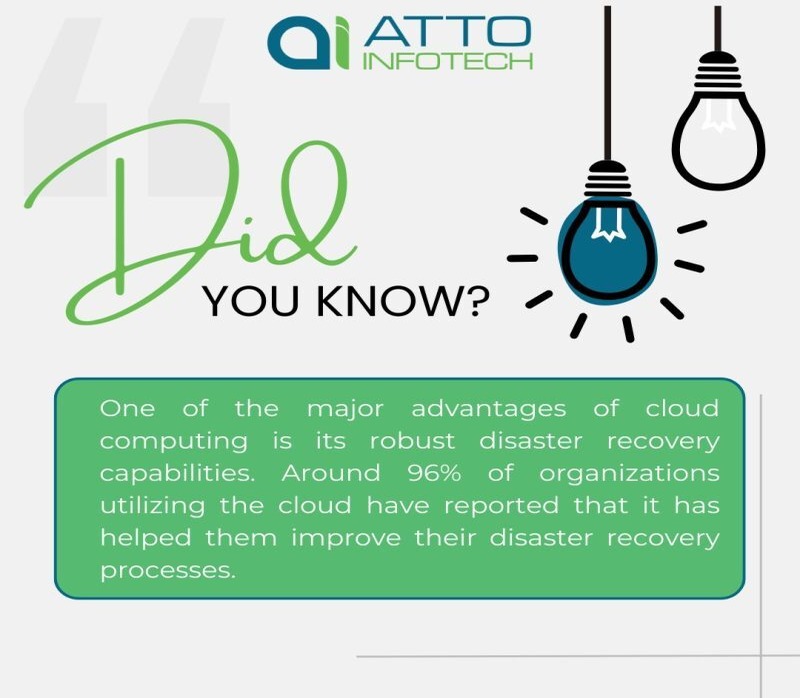
Cloud providers offer high availability and disaster recovery options to ensure they offer 99.9% uptime, as well as allow real-time monitoring and proactive (or instant) remediation of issues to keep services live.
How It Saves Your Sanity:
Money isn’t the only thing. Cloud migration is also a psychological release for business owners, IT heads, or even employees. Here’s why.
1. Work From Anywhere and Less Stress
Remote work is no longer a unique selling proposition – it’s a standard. With cloud-based systems, your team can access any data and tools from anywhere at any time from any device.
There is no longer the stress of complex VPN configuration or waiting for some guy in IT to email you over files! The cloud acts as a central space that is not only secure but fully accessible.
2. Built-In Backups – (No More Lost Data Mental Scars)
Deleted a report? Server crashed before you presented?
Cloud platforms now have auto-backups and version control. Your data is automatically backed up on prescribed intervals, it’s mirrored across multiple servers, and in the event of an oops, easily recoverable with just a few clicks.
Gone are the rabbit holes of heartbreaking anxiety of yesteryear associated with episodes of lost data.
3. Cybersecurity is Handled by Experts
Cybersecurity matters to every company, and the good news is that major cloud providers put billions into securing their infrastructure. You can deploy tools like multi-factor authentication, encryption, and firewalls while complying with privacy laws.
The best part is – your company can have enterprise-level cybersecurity without the need to hire a room full of ethical hackers.
Yes, you will still need to develop an internal policy. However, the cloud company acts like your cybersecurity superhero.
4. Away With “The System Will Be Down Tonight” Emails
We have all received that email: “Please be advised that the system will be down for maintenance from 10 PM to 6 AM.” Translation: chaos and late-night coffee.
Cloud providers regularly push updates automatically with no downtime for the systems.
For you, it means your apps are always up-to-date, secure, and rapid — and you don’t have to do anything.
5. Easy Collaboration & Workflow
When files are in the cloud, teams can truly collaborate in the moment. There is no more emailing the “final_final_v2_UPDATED” file. Everything is kept in sync.
Whether it be a marketing deck or pulling down code, cloud-based tools (e.g., Google Workspace, Microsoft 365, and GitHub) make for a smooth process.
Bonus: Cloud = Sustainable
By choosing the cloud, you’re making a small contribution to saving the planet.
Cloud data centers are built for energy efficiency and often have renewable sources of power. More on-site servers = carbon footprint.
You save money AND help save the planet? That’s a win-win.
🧠 Is It Time to Migrate?
Here’s a quick self-check:
1. Are you wasting too much on IT upkeep?
2. Is your system going down or slow regularly?
3. Does your team have a difficult time collaborating remotely?
4. Is your business growing, but your infrastructure is lagging behind?
If you answered yes to at least 2, turning to the cloud should be in your future.
Last Word
Cloud migration is more than an IT upgrade — it’s an evolution in the business. It lowers costs, increases efficiency, protects your data, empowers your team, and gives you peace of mind for your day-to-day process.
Of course, everything takes time to plan. Yes, there will be a learning curve. But once in the cloud, you will question why you didn’t move sooner.
It’s like going from a plain bicycle to a Tesla smooth, fast, intelligent, and prepared for the future