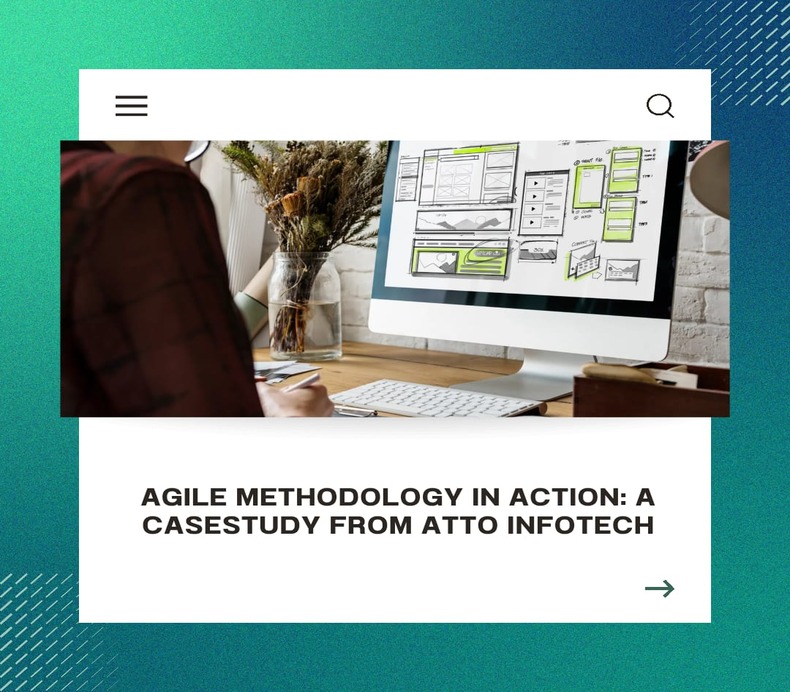
If you’ve ever sat through a tech meeting, you’ve probably heard that one guy pipe up with, “Let’s just do Agile, it’ll be faster.” Yeah, right. Let’s clear something up: Agile isn’t some magic button you smash for speed. It’s more like… organized chaos with a purpose. Look, it’s not just about tossing buzzwords around and sketching stuff that looks fancy on a board….nah, it’s about actually getting your hands dirty, teaming up, and creating what people really need. Forget the fluff.
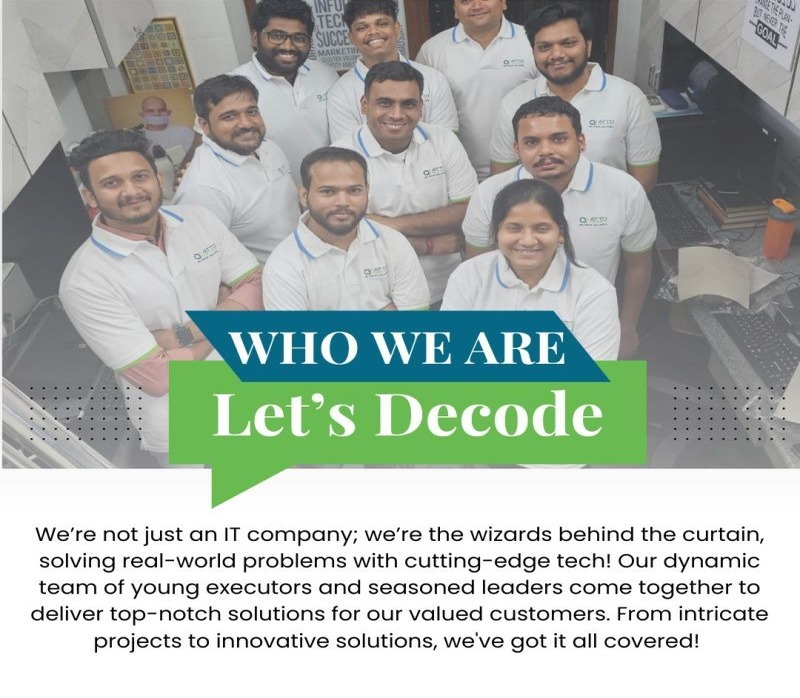
At Atto Infotech, Agile isn’t just corporate jargon we toss around to sound cool at meetings. Seriously, it’s so baked into our blood, I’m pretty sure some folks here can’t even order coffee without referencing a sprint. Wild, right? I swear, a couple of us are writing user stories in our sleep. (Impressive? Maybe. Terrifying? Also, yes.)
So, let’s set the scene: we had this e-commerce project—big one, too. The deadline? Yeah, it was basically doing parkour over our heads. Zero room for screw-ups. If we didn’t have Agile stitched into every last thing we do, that project would’ve turned into a flaming train wreck. Like, have you ever seen those viral videos of people trying to put out a grease fire with water? That level of chaos.
Anyway, here’s the real story of how we swerved disaster, kept the whole circus on the rails, and left the client throwing us high-fives.
Who Was Sweating & Why
Our client? Fast-growing online retailer, sales through the roof, but their website? Total mess. Slow as molasses, mobile users bailing left and right, checkout crashing like a Windows 98 PC, payment hiccups—just a hot mess all around.
And a plot twist, they wanted the whole site rebuilt in 12 weeks. It was twelve weeks and not months. If you’ve ever worked in dev, you know that’s… well, let’s just say it’s ambitious.
If we’d gone old-school Waterfall, we’d still be arguing over requirements while Rome burned. The client would’ve seen nothing for months, and if we’d missed the mark? Yikes. Big money, big headaches.
We needed a way to keep the client in the loop, pivot on the fly, and actually ship on time. Enter Agile.
How we made Agile Actually Work (No Buzzwords, Promise)
Saying “let’s do Agile” is one thing. Making it work? That’s where the magic happens.
1. Sprints
We chopped those 12 weeks into six sprints—two weeks each. Bite-sized chunks. No one was overwhelmed, nobody lost. Just steady, focused progress.
Here’s how we lined it up:
Sprint 1 – Core catalog & backend basics
Sprint 2 – Checkout flow, cart stuff
Sprint 3 – Payment gateway (aka the “please-don’t-break-the-bank” sprint)
Sprint 4 – Mobile-first everything
Sprint 5 – UI/UX polish, make it pretty
Sprint 6 – Squash bugs, boost speed, prep for launch
2. Stand-Ups: The 15-Minute Group Therapy
Every morning, rain or shine, coffee in hand—“What’d you do yesterday? What’s up today? Anything in your way?” Super basic, but it kept us moving. If something was busted, we knew by breakfast.
3. The Client Was In The Trenches With Us
Old way: Client sits on the sidelines, crosses fingers, prays for a miracle. Our way: They saw updates every two weeks. Real stuff. Clickable. They gave feedback, we tweaked. No surprises, no “oh crap, that’s not what we wanted.” Just smooth sailing.
4. Testing Like Maniacs (From Day One)
Forget saving testing for the end—that’s how you end up with a dumpster fire. Our QA folks were glued to the devs. New feature? Tested immediately. Bugs? Squashed before they got comfy. No last-minute panic.
The Play-By-Play
Right out the gate, things felt different. By week two, the client already had a live catalog to poke around in. Normally, you’d be lucky to see a login screen by then.
Week four—checkout was humming, faster than a microwave dinner. Client wanted some UI tweaks? No drama. We just added them to the next sprint. Zero fuss.
Week six—payments, encrypted, tested, ready to rock. The finance team tried to break it, but couldn’t. Success.
Week eight—mobile version dropped, and suddenly, even grandma’s old iPhone could shop without crashing.
Week ten—pixel pushing, micro-interactions, sweet little animations. The site looked and felt expensive.
And, get this, by week twelve, we were done. Actually done. Two weeks ahead. The site was live, stable, and already ranking in better numbers than before.
All that, and we didn’t even break a sweat….well, maybe a little. But hey, that’s software for you.