Alright, here’s the thing nobody says out loud: more code doesn’t magically make your app better. Actually, the more you write, the more you’ve gotta babysit. Every extra line is another mouth to feed which needs to be written, poked at, tested, shipped, debugged, explained in docs, and then, years later, you’re stuck maintaining it while cursing your past self.
Honestly? The best code is the stuff you never have to write at all.
Modern programming isn’t just “solve the problem.” It’s “how little can I do and still solve the problem, then get back to my life?” Efficiency isn’t about how many features you can duct tape on. It’s about making something focused, slick, and tight a system that does one job stupidly well.
—
Feature Creep: The Sneaky Budget Killer
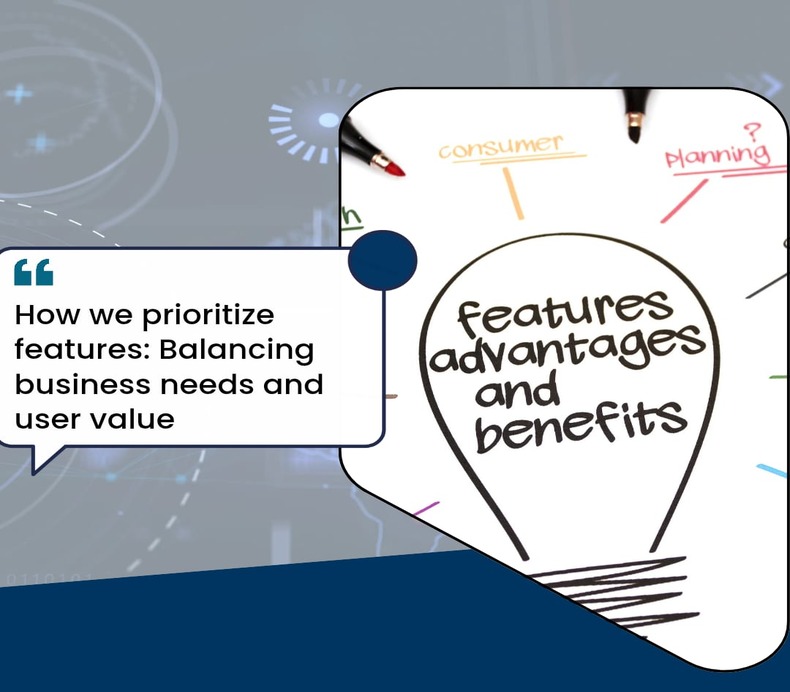
You know that feeling when a simple project starts turning into a Frankenstein monster? Teams keep chasing shiny new features, and suddenly:
* Your codebase is fragile as hell. One tweak and ten things break.
* Releases crawl. You’re fixing yesterday’s mess instead of shipping cool stuff.
* The budget balloons. More code = more devs, more servers, more QA, more headaches.
* Users start bailing because your app is now a cluttered mess.
Remember when music players were simply designed to play music? Then some genius added social feeds, video, podcasts, ads, and boom—everyone ditched them for Spotify, which just streamed music and didn’t try to be a Swiss Army knife.
—
Why Less Code Rules
1. You can actually maintain it.
Small, clean codebases are easy to grok. Even new folks can jump in without hours of tribal-knowledge brain dumps.
2. Bugs stick out.
Simple logic = less weird stuff hiding in the shadows.
3. Faster apps, by default.
Less code means less to run, fewer dependencies, and snappier performance.
4. Quicker dev cycles.
No one’s drowning in spaghetti code, so you move faster.
5. Users want simple.
A handful of well-polished features beats a mess of half-baked junk every time.
—
Classic Ways to Keep It Tight
1. YAGNI – “You Aren’t Gonna Need It”
Stop building for imaginary futures. Ship the MVP, see what users actually want, then make that. Don’t waste time on fantasy features.
2. KISS – “Keep It Simple, Stupid”
Simple > clever. If you can do it in 30 lines, don’t write 300. Skip all the weird abstractions only wizard-level devs understand.
*3. DRY – “Don’t Repeat Yourself
Copy-paste is the enemy. If you write the same thing twice, you’ll have to fix it in two places later. Pull out shared logic so you don’t regret it.
*4. The Unix Philosophy: Do One Thing Well*
Break stuff into modules. Each piece should do a single job perfectly and plug into the rest. Don’t reinvent the wheel—use Auth0 for auth, don’t cook up your own homebrew security nightmare.
—
Less Is More
* WhatsApp, back in the day, exploded because it was lean: just fast, dead-simple messaging. Nothing else.
* Basecamp? They straight-up say no to most feature requests and keep things crystal clear.
* Slack didn’t start as a bloated enterprise monster—it was a dead-simple chat app for teams. That’s what got everyone hooked.
* Linux kernel modules—only load what you need. Not a big, lumbering beast. Just the essentials.
—
How To Actually Write Less Code
1. Use libraries, but don’t go overboard.
Grab the tools that work, but skip the bloated, everything-and-the-kitchen-sink packages.
2. Refactor—a lot.
Keep cleaning as you go. Don’t wait until your repo is a landfill.
3. Let the robots handle the snooze-fest.
Seriously, toss all that tedious junk—scripts, CI/CD, linters—at your automation tools and let ’em grind it out. Why drown in brain-numbing tasks when the machines are practically begging for it? Work smart, not harder.
4. Test as you go.
Lean codebases need solid tests to stay that way. Don’t slack here.
6. Don’t Just Build—Measure First
Seriously, before you dive into code, check the numbers. Analytics, user rants (er, feedback), A/B tests—grab whatever data you can. No point building stuff nobody wants, right? Only ship the bits that actually make things better.
—
A Quick Gut-Check Before You Code Anything
Run these through your brain before cracking your knuckles:
* Is this actually fixing a real user pain?
* Can you just plug in something off-the-shelf or use an API instead of reinventing the wheel?
* Will this turn your codebase into a tangled mess down the road?
* What’s the worst that happens if we don’t build it at all?
If you can’t defend it passionately to your team, don’t bother coding it.
—
Wrapping Up: Lean and Mean Wins the Race
Honestly, as everything gets bigger and people get pickier, teams that keep it tight and simple are the ones who crush it. The next killer app? It’s not gonna be the Swiss Army knife with a million dull blades. It’s the one sharp tool that nails a real problem with the least fuss.
Less code isn’t being lazy. It’s being sharp. Build what matters, skip the fluff, and make stuff that’s easy to fix and actually loved by real people.
Bottom line:
If you’re not sure your new code is adding real value, maybe it’s time to put the keyboard down and rethink.