In today’s digital-driven world, choosing the right program progression approach is imperative for commercial victory. The procedure you select particularly impacts your project’s speed, quality, versatility, and huge comes almost. Whether you’re building a convenient app, an e-commerce stage, or a large-scale undertaking, altering your development approach in line along with your commerce targets can make all the contrast.
Let’s plunge into the major computer program change approaches, get their core thinking, and figure out how to choose the right one for your trade needs.
Major Program Change Approaches You’ve Got to Know
1. Waterfall Illustrate — The Customary Course
The Waterfall demonstrate is one of the foremost prompt approaches to computer program development and follows a coordinated, step-by-step process where each organize must be completed some time recently the taking after begins. One of its key focuses of intrigued is the clarity it offers:
Wander necessities are characterized candidly, making the strategy significantly organized and obvious. This makes budgeting, arranging, and resource allocation much less complex. Be that as it may, its most prominent obstacle is its rigidity. Once the venture moves past the starting stages, making changes becomes troublesome, expensive, and expensive. Testing and client criticism happen late within the process, which implies any major issues may well be found as well late. Waterfall is best suited for ventures with clear, settled necessities, small to no anticipated changes, and businesses that require overwhelming documentation and administrative compliance, such as healthcare, manufacturing, or government ventures.
2. Agile Methodology — at Its Best, Flexibility
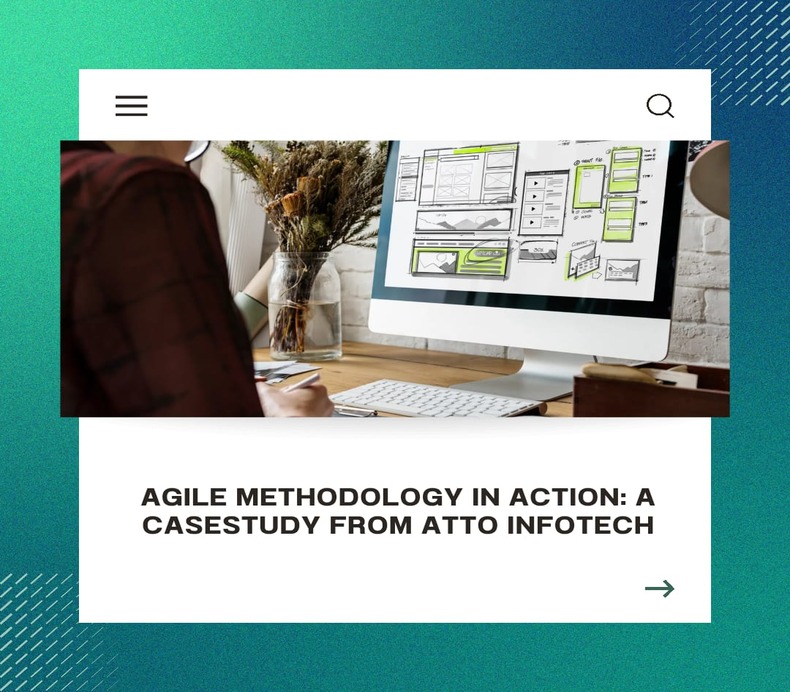
Agile was a reaction to the failures of more traditional methods such as Waterfall. Rather than operating within a single, extended cycle, Agile involves dividing the project into incremental iterations known as sprints, usually between two and four weeks long. The greatest strength of Agile is how flexible it is: teams can respond rapidly to changes, apply feedback, and make releases on an ongoing basis. Agile promotes constant communication among developers, stakeholders, and clients, such that the final product actually addresses user requirements. It demands a seasoned and mature team that can effectively deal with shifting priorities, and it is at times difficult to determine final costs and timelines. Agile is suitable for startups, growth companies, and projects in which requirements are likely to fluctuate due to market trends or customer feedback, for example, mobile applications, SaaS solutions, or digital goods.
3. Scrum Framework — Agile, with a Structured Twist
Scrum is one of the most popular frameworks under the Agile umbrella, but it adds more structure to how Agile is implemented. It organizes work into fixed-length sprints and defines clear roles like Product Owner, Scrum Master, and Development Team members. Scrum’s main advantage is that it provides a balance between flexibility and discipline: teams work towards short-term goals while maintaining a broader vision. Daily stand-up meetings, sprint reviews, and retrospectives keep everyone aligned and encourage continuous improvement. However, Scrum demands a high level of collaboration, commitment, and self-organization, which not every team can handle effectively. It works best for complex and fast-moving projects where goals evolve, and where the team is cross-functional, proactive, and ready to work closely with stakeholders.
4. Kanban — Center on Nonstop Stream
Kanban takes a distinctive approach by visualizing work on a board, overseeing flow, and constantly conveying small upgrades instead of organizing work into sprints. One of Kanban’s greatest qualities is its effortlessness and adaptability:
Group individuals can choose errands as their transmission capacity permits, making a difference to avoid bottlenecks and improve efficiency. The visual nature of Kanban makes it simple for everybody to track progress at a glance. In any case, since Kanban does not uphold strict timelines, ventures can in some cases lose focus in case not actively monitored. Kanban could be an incredible fit for back offices, progressing support ventures, and circumstances where needs often as possible move but the workload must remain reasonable.
5. DevOps Approach — Bridging Improvement and Operations
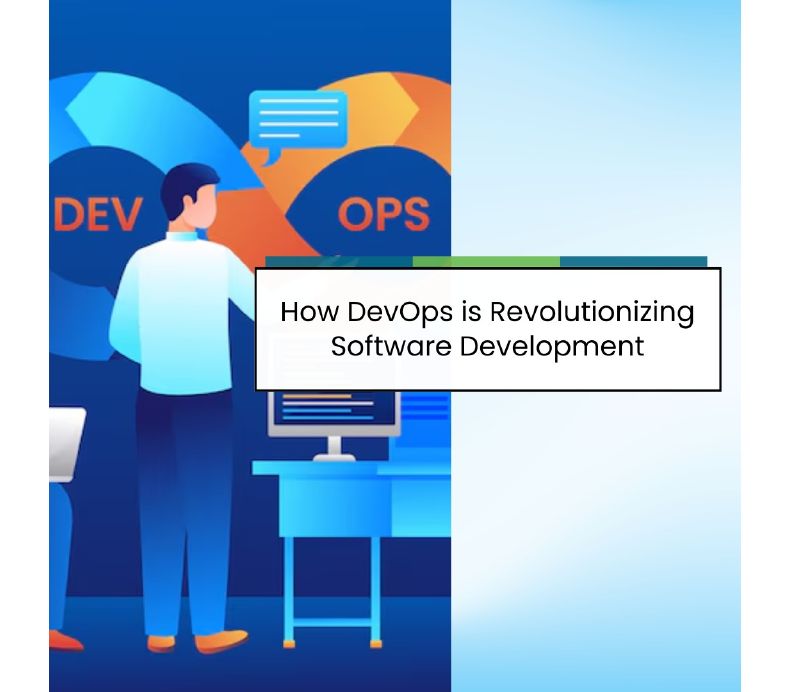
DevOps isn’t fair an advancement approach; it’s a social move that combines computer program development (Dev) and IT operations (Ops) to provide superior programs more quickly and more dependably. Its most noteworthy quality lies in computerization, collaboration, and ceaseless integration/continuous conveyance (CI/CD), which drastically abbreviates the time between thought and arrangement. DevOps advances consistent collaboration between designers, analyzers, and operations groups, guaranteeing less silos and smoother rollouts. In any case, transitioning to DevOps can be resource-intensive at first, requiring investments in training, unused apparatuses, and changes in organizational culture. DevOps is a great choice for organizations seeking quick arrangements, visit overhauls, and operational excellence, particularly those building cloud-native applications, SaaS items, or enterprise-level stages.
How to Select the Correct Approach:
Key Components to Consider
- When selecting a computer program advancement strategy, there’s no one-size-fits-all reply. The choice depends intensely on your project’s nature, complexity, group elements, client association, budget, and due dates.
- If your venture incorporates a settled scope and budget, and the prerequisites are impossible to alter, a conventional approach like Waterfall could be the most secure choice. On the other hand, on the off chance that your venture is anticipated to advance over time or should get to market rapidly with regular overhauls, Dexterous or Scrum will serve you way better.
- Adaptability plays an enormous part as well. Businesses working in fast-changing markets advantage from Agile’s capacity to turn and adjust, while ventures requiring rigid processes and overwhelming documentation are better suited to Waterfall.
- Timeline and speed to showcase are vital considerations. Spry and DevOps are amazing if you wish a Least Practical (MVP) quickly or arrange to roll out highlights continuously. Waterfall may suit longer, well-planned timelines where early conveyance isn’t needed.
- Another figure to consider is partner association. Dexterous strategies require consistent client engagement and input, whereas Waterfall is more reasonable for circumstances where client input is as it were required forthright and during final delivery.
- Group ability things as well. Dexterous, Scrum, and DevOps require profoundly collaborative, gifted, and proactive groups. Waterfall permits more conventional, progressive administration styles, which may be simpler for less experienced groups.
- Budget consistency is another basic figure. Waterfall is way better for ventures that require a fixed appraisal at the beginning, whereas Spry permits more adaptability but requires continuous budget alterations based on project evolution.
- At long last, chance resilience must be evaluated. Spry decreases hazard through ceaseless approval, though Waterfall carries higher chance on the off chance that starting necessities are misjudged or gotten to be obsolete amid a long advancement handle.
Cross-breed Approaches:
Best of Both Universes?
In one, numerous businesses elect a crossover approach, mixing components of diverse techniques to coordinate their interesting needs. For case, a venture may utilize Waterfall to characterize wide prerequisites and Spry amid execution to permit for adaptability and quick cycles. Scrum and Kanban are also regularly mixed to form a organized however adaptable workflow. Crossover approaches offer a commonsense way to adjust to both commerce and specialized substances without committing completely to a single methodology.