[vc_row][vc_column][vc_column_text]Understanding Cloud Security: Best Practices for a Safe Digital Environment
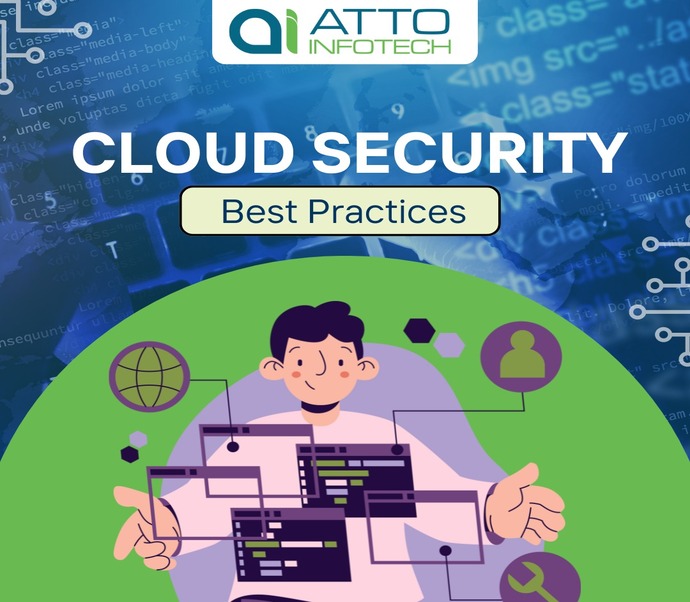
In today’s digital age, cloud computing is the backbone of modern businesses, offering unparalleled convenience and scalability. However, with great power comes great responsibility. Ensuring robust cloud security is paramount to protect sensitive data and maintaining the trust of your clients and stakeholders. Here are some best practices to enhance your cloud security.
Understand the Shared Responsibility Model
In the cloud, security is a shared responsibility between the cloud service provider (CSP) and the user. While CSPs ensure the security of the cloud infrastructure, users are responsible for securing their data and applications. Understanding this model is crucial for implementing effective security measures.
Implement Strong Access Controls
Access control is the cornerstone of cloud security. Use multi-factor authentication (MFA) to add an extra layer of security. Limit access based on the principle of least privilege, ensuring that users have only the permissions necessary to perform their tasks. Regularly review and update access controls to prevent unauthorized access.
Data Encryption
Encrypting data both in transit and at rest is essential. Use strong encryption protocols to protect data from being intercepted or accessed by unauthorized users. Ensure that encryption keys are stored securely and managed properly to prevent breaches.
Regular Security Audits and Compliance Checks
Conduct regular security audits to identify and address vulnerabilities. Ensure compliance with industry standards and regulations such as GDPR, HIPAA, or PCI DSS. Regular audits help maintain security posture and demonstrate your commitment to protecting sensitive information.
Implement a Robust Backup Strategy
Data loss can occur due to various reasons, including cyber-attacks, human error, or natural disasters. A robust backup strategy ensures that you can quickly recover your data. Regularly back up your data to multiple locations and test the recovery process to ensure its effectiveness.
Monitor and Respond to Threats
Continuous monitoring of cloud environments is crucial to detect and respond to security threats in real-time. Use advanced security tools and services to monitor for suspicious activities, and establish a well-defined incident response plan to mitigate potential damage quickly.
Educate and Train Your Team
Human error is a leading cause of security breaches. Regularly train your employees on cloud security best practices and the latest threats. Foster a culture of security awareness where everyone understands their role in protecting sensitive data.
By implementing these cloud security best practices, you can create a secure cloud environment that protects your valuable data and maintains the trust of your stakeholders. In an ever-evolving digital landscape, staying vigilant and proactive is key to safeguarding your cloud infrastructure.[/vc_column_text][/vc_column][/vc_row]