Effective and busy operations are ensured by an effective IT support strategy. Current organizations rely on IT infrastructure for productivity and efficiency in the rapidly growing digital era. Strong IT support plans ensure efficient operations, reduced downtime, and overall performance. Below are some essential strategies for successful IT support:
1. Observation and Preventive Care:
Doing otherwise until system failure may cost business expensive downtime. In this case, proactive monitoring software is used to identify more significant problems before they become bigger. System updates, regular patch management, and performance reviews will help to keep security holes at bay and things run smoothly.
2. 24/7 Help Desk and Multi-Channel Support
IT concerns may arise at any time-whether for employees or their clients. The solution to making efficient problem resolution which uplifts the user experience is providing 24/7 IT support through multiple channels like live chat, e-mail, telephony and self-service websites.
3. Robust Cybersecurity Measures
Given that cyber threats are dynamic in nature, paramount to IT is security. The implementation of firewalls, endpoint security, periodic security scans and training of the staff on best practices in cybersecurity increase information protection and minimize threats.
4. Efficient Prioritization & Ticketing System
It is made possible for successful monitoring and maintenance of IT problems thanks to a ticketing system that is properly structured. Prioritization and categorization of support tickets assure a quick response to critical matters while establishing a well-structured process for less critical ones.
5. Backup Management and Cloud-based Solutions
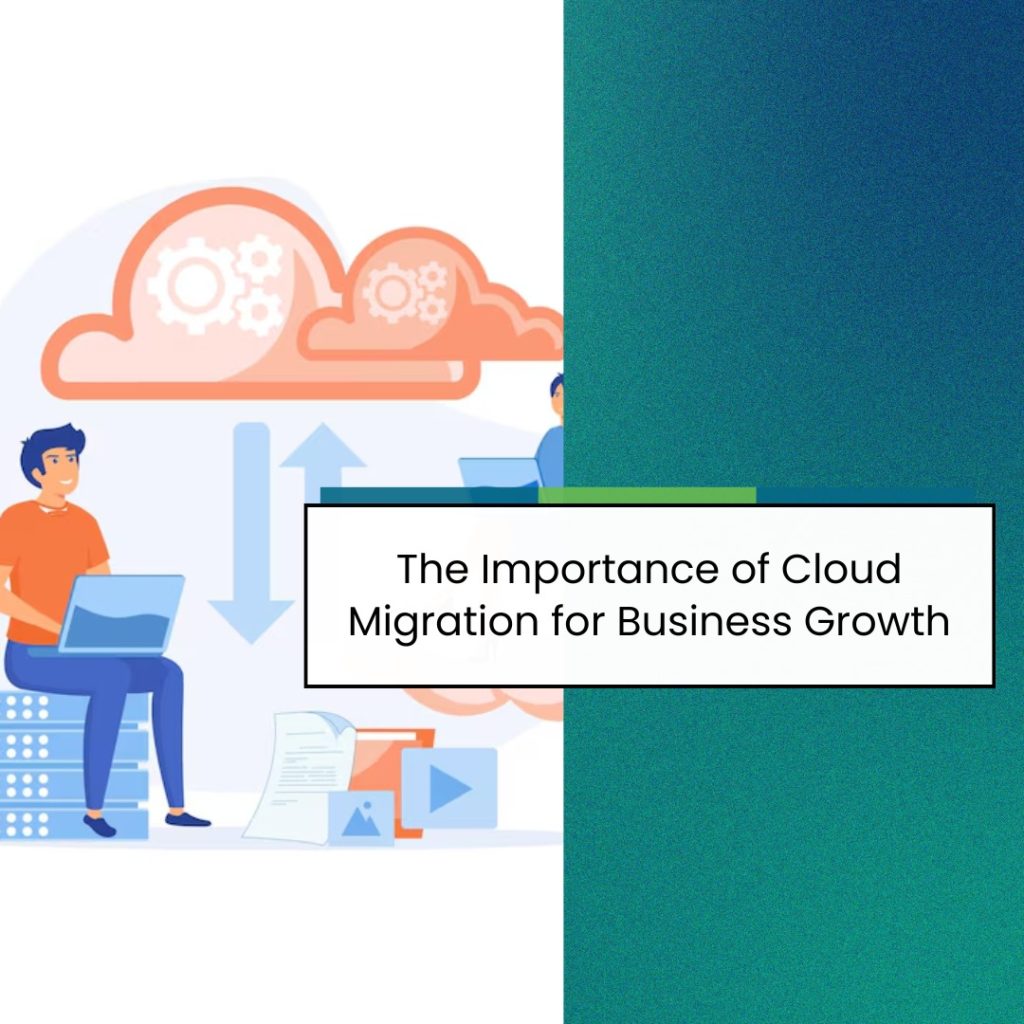
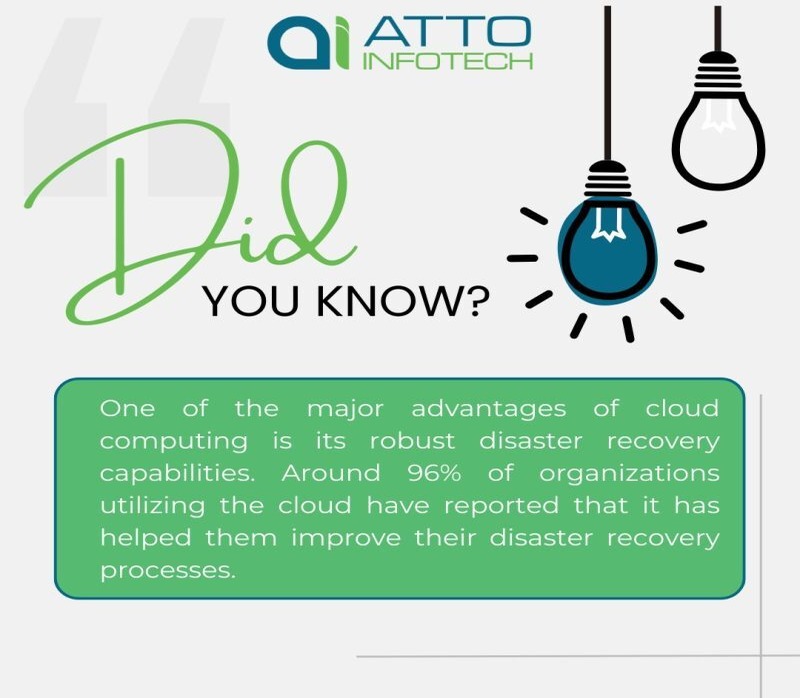
Cloud technology enhances collaboration, accessibility, and disaster management. A backup of data and a complete disaster recovery plan will ensure that the organization has integrity and business continuity in case of emergencies.
6. AI-Based Assistance & Automation
AI-based chatbots and automation solutions simplify IT support activities like system updates, password reset, and troubleshooting. Such activities initiate immediate repair of common issues while reducing the burden among IT teams.
7. Self-service portals and employee IT training
Employees with standard IT training are less dependent on support personnel for assistance. Self-service portals with knowledge bases, how-to-fix steps, and FAQs enable users to resolve minor services independently.
8. Audits and frequent performance monitoring of ITs
Regular checks on IT infrastructure identify defects and optimize processes. IT performance monitoring guarantees continuous improvement and alignment with business objectives.
9. Vendor and Third Party Management
Relationships with third-party vendors will ensure timely servicing of hardware, software and network issues. Clear SLAs (Service Level Agreements) with vendors ensure timely support.
10. Scalable & Future-proofing
When the organization increases, the IT needs also grow. Scalable solutions, upgrading structure, keeping update with innovative technologies-all of these facilitate productivity and competitiveness in future applications.
In conclusion
A well-planned IT support plan enhances productivity, security, and customer satisfaction. Cost-effective continuity joins persistent improvement of IT processes and encourages companies to consider automation rather than legacy operations for competitive advantage in the Internet Age as much as possible.