Technology is constantly changing. The companies that were once leaders of the pack are now trying to keep up because their systems were designed for a world that no longer exists. Legacy systems, the main engines of operations, are now the ones that slow down everything in the rapidly changing digital world. As customers demand more and competition becomes fiercer, businesses are realizing that modernization is not just an option. It’s the way to stay alive.
However, let us be clear, modernization is not easy. The process of changing from old and inefficient systems to agile and up-to-date ones requires thorough planning, some risk-taking, and consideration of people rather than technology. The aim is not to merely change the software. It is about changing the business model, its growth, and how it delivers value.
So, what are the steps to take to be able to switch from old to modern systems? Let’s analyze it.
—
1. Start by Understanding Legacy Systems
You cannot fix something if you do not understand what it is and why it is difficult to change.
Legacy systems are not only old software. Usually, they are the core of operations, have been custom-built over the years, and connected to almost every department of the business. The following are some of the characteristics that make them difficult to handle:
- They are based on old-fashioned code or hardware.
- They cost a lot and are troublesome to keep in good condition.
- They isolate data and do not have the capacity to grow.
- They cause major security and compliance problems.
- They are not compatible with the cloud or other new digital tools.
- It is quite ironic that these old systems typically contain a lot of valuable data and the know-how of the business. Hence, modernization is not about getting rid of everything. It is about determining what still works and constructing a better one around it.
2. Nail Down a Clear Vision
It is a foolish move to modernize without having a plan. You must know the reason why and the outcome that you want.
Think about these questions:
- What do we really want to achieve by this—cost saving, innovation, customer delight, scaling up?
- What are the minimum components of the system that we cannot do without?
- How much risk can we afford? What amount of downtime is acceptable?
- What are the benefits, and how will we know that we have been successful?
Bring it all together in one document. Use it as your guide for every decision, from tech choosing to change management.
3. Audit Everything
Before destroying things, you should have a complete view of your IT environment—applications, databases, integrations, servers, and so on.
This enables you to find out:
- What systems are old or duplicates?
- Performance limitations.
- Security vulnerabilities.
- Communication gaps between departments.
- Resources that are being wasted or are underutilized.
- With an audit like this, you will be able to decide which things you will change, which you will improve, and which are still good. This is the firm ground that you need before making big moves.
4. Build a Step-by-Step Roadmap
What if you were to attempt to modernize everything all at once? That would be a disaster in the making. Too much risk and too many things that could go wrong. The solution is to break it down into stages.
How about:
- Bring stability into your current environment and document it.
- Modernize the customer-facing or high-impact areas of the business first and thus demonstrate some quick wins.
- Migrate your backend systems, databases, and integrations.
- Implement data analytics and automation to gain better insights.
- If you do it in stages, you are still in control and can make changes as you move forward, so that you will not find yourself in a mess.
5. Make Cloud the Foundation
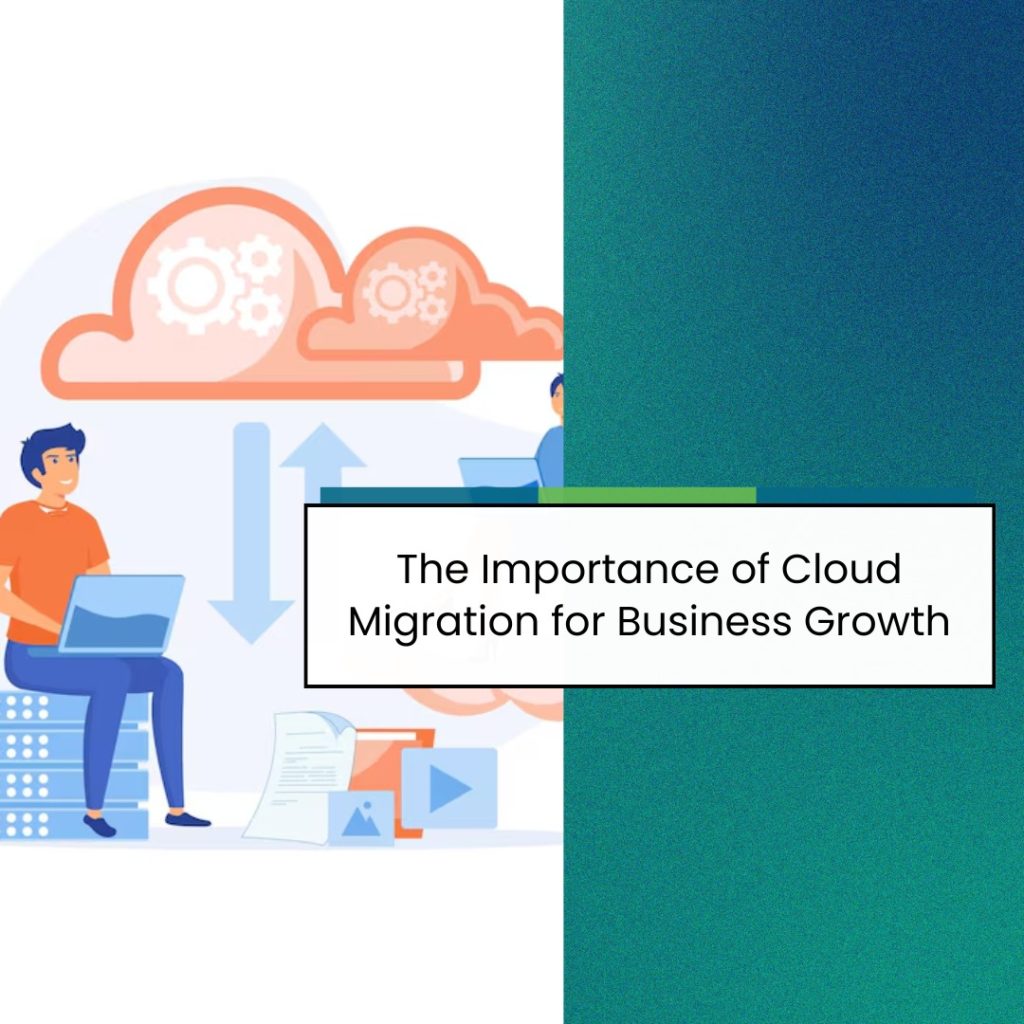
Cloud is not only a buzzword—it is the new standard for digital infrastructure. While legacy systems are limited to outdated servers, cloud solutions offer you flexibility, the ability to grow, and more stability.
Here is why the cloud is important:
- Scaling can be done either up or down, thus saving money.
- The work can be done from any location—a great advantage for teams that are spread all over the world.
- It is much easier to connect to new tools, AI, and automation.
- The restoration process and disaster recovery become much easier.
- Many companies opt for a hybrid or multi-cloud arrangement that is, they keep the sensitive parts on-premises and move the rest to the cloud. In this way, they get the best of both worlds: less disruption, faster progress.
Ultimately, the switch from legacy to modern is hard; however, with the right tactics, you can use old systems as a stepping stone for what comes next.
6. Modernize Architectures with Microservices and APIs
Legacy systems, in general, work as one big, monolithic application of several thousand lines of code. This makes it very difficult and expensive to make even a small change. On the other hand, modern architectures are based on microservices and API-driven ecosystems.
Microservices break the application into smaller, self-sufficient units that can be independently developed, deployed, and scaled.
The benefits are:
- Shorter time to market for new releases.
- Better system stability (failure in one service doesn’t bring the whole system down).
- More straightforward updates and continuous innovation.
- Ability to pick different technologies for various services.
- APIs (Application Programming Interfaces) are the communication channels between two different software systems (legacy + new applications) that exist in transition phases. It supports gradual modernization, which is a way of letting old and new systems live together temporarily until full migration is completed.
7. Data: The Core of Transformation
Nowadays, the data that companies have is the main thing on which they base their decisions. But legacy systems often trap valuable data in silos, making it extremely difficult to get valuable insights from them.
Implementing a modernization strategy means having a data modernization plan that covers the following:
- Data cleansing – getting rid of redundant, outdated, or inconsistent data.
- Data migration– transferring data safely and quickly to new platforms.
- Data integration – bridging the gaps between systems.
- Data governance – defining rules for quality, compliance, and access.
- Data analytics – using advanced instruments to turn data into actionable insights.
The business organizations of the present also employ data lakes and warehouses supported by AI and machine learning for predictive analytics, customer behavior analysis, and real-time reporting.
8. Prioritize Security and Compliance
Modernization gives some new opportunities along with new vulnerabilities. Legacy systems aren’t equipped with modern security features like encryption, identity access management, and intrusion detection.
During the change process, one place where security should always be kept at the forefront is cybersecurity.
Work on:
- Zero-trust architecture—verification of every user and device.
- Fully encrypted communication for data that is in motion or at rest.
- Constant monitoring and incident response plans.
- Being compliant with GDPR, HIPAA, or local data protection laws.
- Modernization is an excellent opportunity to place security at the center of your digital infrastructure from scratch.
9. People and Change Management: The Human Side
Technology transformation usually fails because of people, not technology. Employees who have been using legacy systems for a long time may resist the change or feel that the introduction of automation threatens them.
The components of a strong change management system are:
- Communication that is clear about the causes of the transformation.
- Training courses for employees to acquire skills in new technology areas.
- The status of the progress is regularly updated to keep everyone informed.
- Recognition and reward systems for encouraging the willingness to change.
Collaboration between IT, operations, and business units should also be supported. When employees become transformation advocates, adoption happens at the speed of a ripple effect.
10. Automate for Agility and Efficiency
Automation is the core element of IT modernization. Apart from the increase in productivity, it also lowers the number of mistakes made by humans as well as operational costs.
Automation use cases are:
- Setting up infrastructure through Infrastructure-as-Code (IaC).
- Automated testing and deployment through CI/CD pipelines.
- Self-healing systems that monitor and fix performance problems automatically.
- Business process automation by using operational workflows.
If automation is combined with AI, it may result in smart IT ecosystems that are able to detect issues even before they arise, thus allowing intervention to be done beforehand instead of being reactive.
—
11. Ongoing Monitoring and Improvement
Change to new technology is not a single move; instead, it is a continuous engagement. After the changes have been made, companies should keep an eye on, measure, and improve their updated systems without stopping.
They should put in place KPIs such as:
- System uptime and performance metrics.
- Cost efficiency post-migration.
- Product/service innovation and delivery speed.
- Employee and customer satisfaction scores.
- Consistent monitoring allows you to keep on delivering the value that was the aim of the modernization initiative, and that it stays aligned with business goals in the long run.
12. Collaborate with the Right Technology Partners
Modernization is far from being straightforward. A collaboration with the right IT experts, consultants, or managed service providers can be the big difference that makes the whole process easy for you. They have the expertise in:
- The transition to cloud and DevOps.
- App modernization.
- Data engineering and analytics.
- Security and compliance management.
Ensuring that you choose seasoned partners means that things go more smoothly, you get results quicker, and there is less disruption to the business.
Conclusion: The Road Ahead
The shift from legacy to modern is not only about system upgrades but also about making the business ready for the future. It’s a strategic move from a maintenance mode to an innovation one.
In general, firms are intentionally structured to be agile, scalable, and intelligent at present. Their foundation is the cloud, their acceleration is the automation, and their direction is the data.
Although the road may be tough, the advantages are very clear: more efficient operation, enhanced security, shortened time-to-market, and the ability to stay fast in a continually changing digital world.
The enterprises resulting become successful the next day are the ones already undergoing the transformation, not by loosely following every technological trend, but by modernizing with a definite objective, taking into account the planning and foresight