In today’s fast-paced and ever-evolving business environment, staying competitive requires more than just hard work and dedication. Small businesses are increasingly relying on technology to not only survive but thrive in competitive markets. The right tech solutions can streamline operations, enhance customer engagement, and level the playing field against larger organizations. Let’s explore five key ways small businesses can effectively leverage technology to stay ahead:
1. Build a Strong Digital Presence with Marketing Tools
In today’s digital-first world, having an online presence is no longer optional—it’s essential. Digital marketing tools offer small businesses an affordable and effective way to reach a larger audience, tell their story, and build meaningful relationships with customers.
– Benefits: Digital marketing enhances visibility, builds brand awareness, and allows businesses to connect with customers in real-time. Tools for social media management, email campaigns, and content creation help small businesses run professional campaigns on a budget.
– Examples: Use Instagram, Facebook, and LinkedIn for social media marketing, and Canva to create eye-catching visuals. Tools like Google Ads and Facebook Ads let you run targeted campaigns with measurable results, while Hootsuite or Buffer help manage multiple platforms efficiently.
– Why It Matters: A strong digital presence ensures that your business remains relevant and top-of-mind for your audience. The ability to tell your brand’s story and engage with customers online creates a loyal community and drives growth.
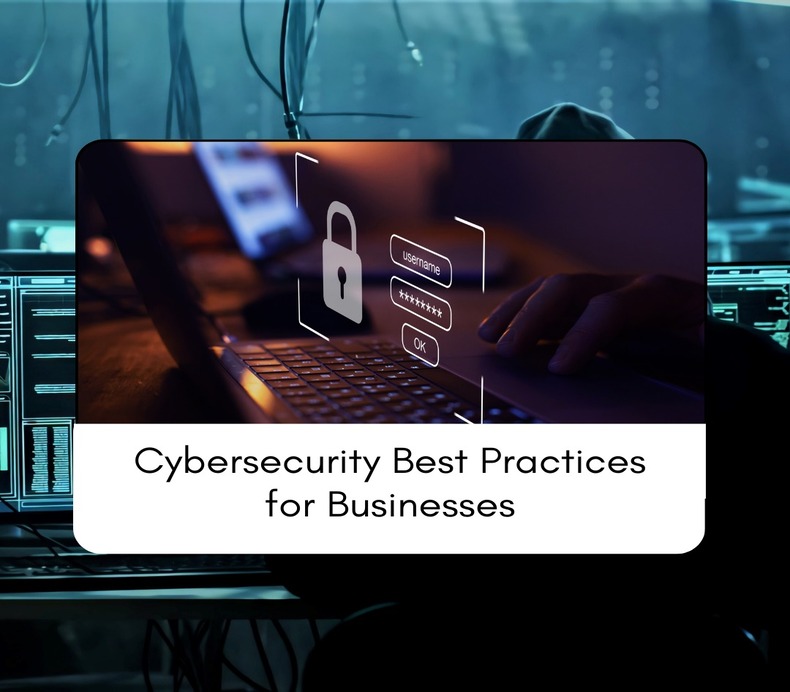
2. Prioritize Cyber-security to Protect Your Business
With the increasing reliance on technology comes the growing risk of cyber threats. Small businesses are often seen as easy targets by hackers, making cyber-security a critical area of focus. Protecting sensitive data is not just about compliance—it’s about building trust with customers.
– Benefits: Robust cybersecurity measures prevent data breaches, protect customer information, and avoid financial losses. They also ensure business continuity and safeguard your reputation.
– Examples: Use antivirus software like Norton or McAfee, enable two-factor authentication, and invest in secure payment gateways. Educate employees on recognizing phishing attacks and other cyber threats. Partnering with an IT service provider can further enhance your cyber security strategy.
– Why It Matters: A single cyber attack can have devastating consequences for a small business. By prioritizing cyber security, you can protect your operations, build customer trust, and focus on growing your business with confidence.
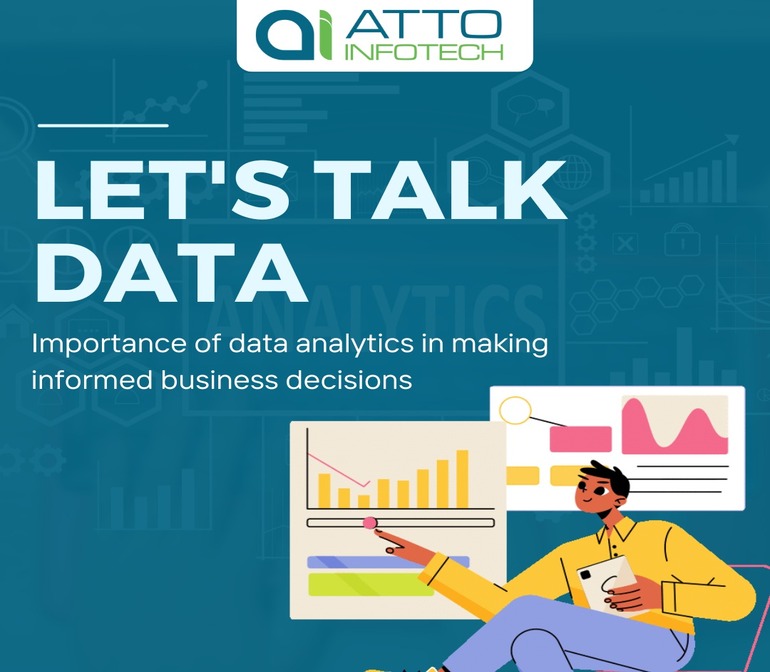
3. Use Data Analytics to Make Informed Decisions
In the age of data, making decisions based on intuition alone is no longer enough. Data analytics provides small businesses with valuable insights into customer behaviour, operational efficiency, and market trends, enabling smarter and more strategic decisions.
– Benefits: Data-driven insights help businesses identify what’s working, what needs improvement, and where new opportunities lie. It reduces guesswork and improves return on investment (ROI) in marketing and other business activities.
– Examples: Google Analytics tracks website performance and customer behaviour, while tools like Tableau or Power BI create visual reports for easy analysis. For social media campaigns, platforms like Instagram Insights or Facebook Analytics offer actionable data.
– Why It Matters: Understanding customer needs and market dynamics gives small businesses the edge they need to compete. With accurate insights, you can tailor your offerings, improve customer satisfaction, and allocate resources effectively.
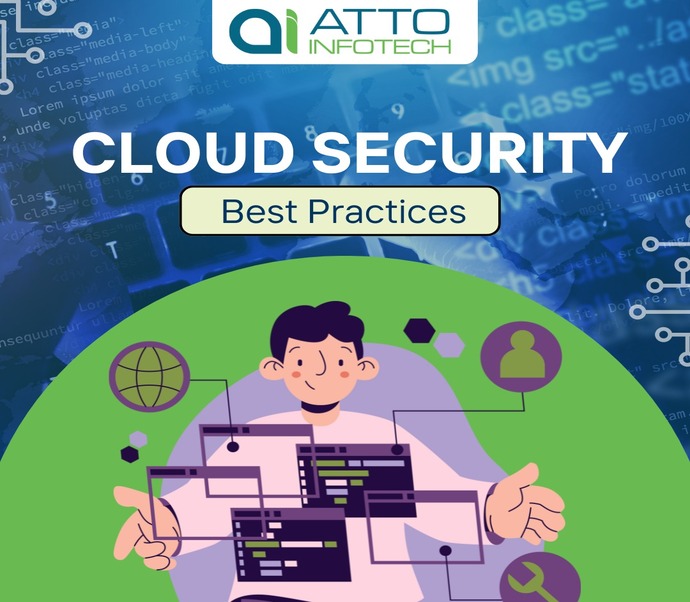
4. Embrace Cloud-Based Solutions
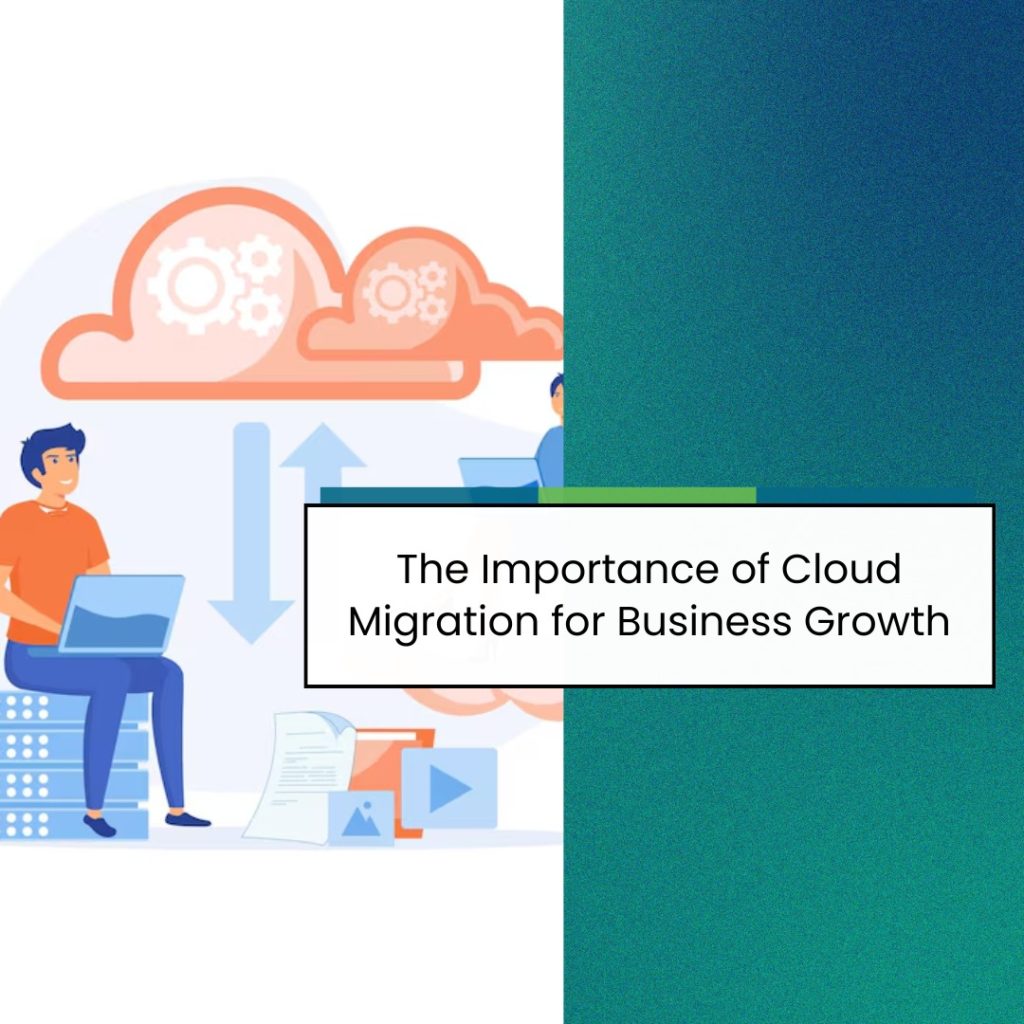
Cloud computing has become a game-changer for small businesses, offering the flexibility and scalability needed to compete with larger organizations. With cloud technology, businesses no longer need to invest in expensive hardware or on-premise infrastructure.
– Benefits: Cloud solutions provide affordable, secure, and scalable platforms for data storage, communication, and collaboration. They also enable seamless remote work, allowing employees to access data and tools from anywhere.
– *Examples: Tools like Google Workspace, Microsoft 365, and Dropbox help businesses collaborate and share files in real-time. QuickBooks and Xero simplify accounting and financial management.
– Why It Matters: The ability to adapt quickly to changing business demands while reducing costs gives small businesses a significant competitive edge. Additionally, cloud technology ensures that your business is always prepared for growth without needing a complete overhaul of your systems.
5. Automate Routine and Repetitive Tasks
Small business owners often juggle multiple responsibilities, which can lead to burnout and inefficiency. Automation tools help streamline repetitive processes, saving time and resources while ensuring accuracy and consistency.
– Benefits: Automating tasks reduces the risk of human error, improves productivity, and allows business owners to focus on strategic activities such as customer acquisition and innovation.
– Examples: Tools like Zapier can automate workflows by connecting different apps. Mailchimp or Constant Contact can handle email marketing campaigns, while Calendly automates appointment scheduling. Chatbots, such as those powered by AI, can handle customer queries 24/7.
– Why It Matters: By reducing the time spent on mundane tasks, automation empowers small businesses to focus on delivering value to their customers, driving growth, and staying ahead of the competition.
Conclusion
Technology has levelled the playing field, allowing small businesses to compete with industry giants in ways that were once unimaginable. From cloud computing and automation to digital marketing and data analytics, the opportunities are endless. However, leveraging technology isn’t just about adopting the latest tools—it’s about using them strategically to create value, improve efficiency, and foster long-term growth.
The small businesses that embrace technology today are the ones that will define tomorrow’s success stories. So, take the leap, explore the tools that best fit your business, and watch as technology transforms your operations and drives you toward sustained success.