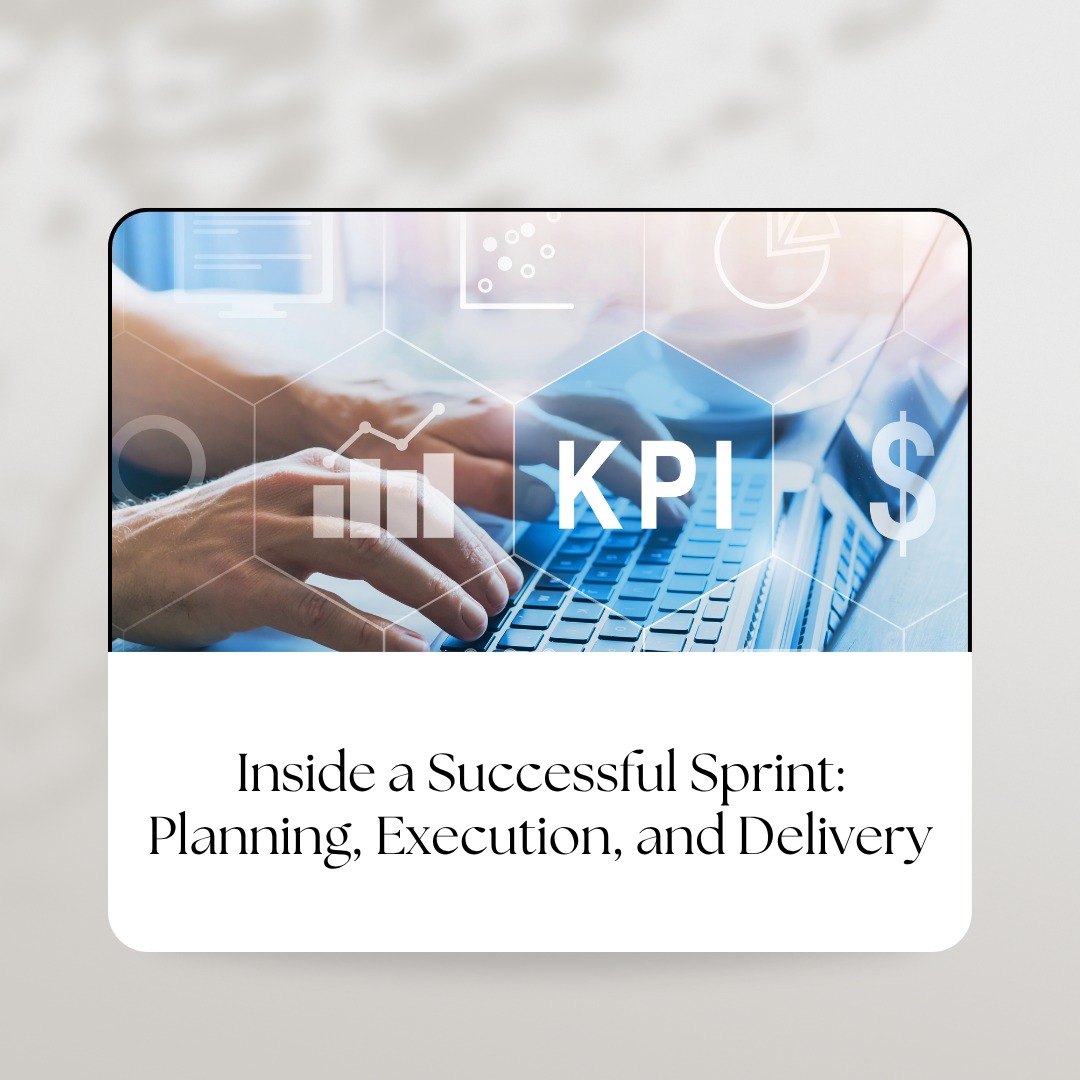
Sprints are at the heart of spry computer program advancement they’re brief, time-boxed periods amid which a group centers on conveying high-priority tasks. Done well, sprints empower companies to move quicker, react to changing necessities, and bring more value to their clients. But what does a fruitful sprint truly look like? Let’s go behind the scenes from arranging to execution and conveyance to see what makes a sprint a victor.
Sprint Arranging: Setting Clear Objectives and Desires
Each effective sprint begins with a solid sprint planning assembly.
This can be the minute when the group comes together to:
– Survey the item accumulation.
– Select high-priority stories or assignments to work on amid the sprint.
– Characterize a practical sprint objective a clear, quantifiable objective for the group.
Compelling sprint planning may be a collaborative process. Item proprietors, creators, engineers, and partners all contribute their points of view to create beyond any doubt that everybody is adjusted and practical about what can be conveyed within the sprint’s time outline. This collaboration anticipates bottlenecks, sets practical objectives, and clears the way for a smooth conveyance.
Tip: Continuously account for group capacity and take off a few buffer for startling issues — over-burdening a sprint ensures overpower and poor delivery quality in the long run!
🔹 Execution: Collaborative, Straightforward, and Adaptable
Once the sprint begins, the group centers on turning its guarantees into reality. Communication and collaboration are key amid execution — every day gatherings (stand-ups) empower group individuals to track progress, identify bottlenecks, and make fast alterations if required.
This is often a time when the group must adjust and teach with adaptability. Whereas there’s a clear sprint objective, needs can, in some cases, move due to modern data or changing client needs. Effective groups know how to reply nimbly and make little course corrections without losing energy.
Tip: Collaborative instruments like Jira, Trello, or Airtable can help in perceivability and cultivate solid group coordination
🔹 Conveyance: Giving a Working Computer program that Things
At the sprint’s conclusion, the group conveys a working increase of the program — a bit of usefulness that brings genuine value to clients. This conveyance signals progress and lets partners see first-hand the team’s advance toward their objectives.
The conveyance isn’t the final step, even though. A sprint survey takes place after, where the group demos its work and collects stakeholders’ criticism. This can be a pivotal opportunity to assemble input, recognize any holes, and make an arrangement for future advancements. The group, moreover, surveys whether the sprint’s objectives were effectively met.
Tip: Continuously celebrate your team’s achievements. Each conveyance, enormous or small, could be a step forward!
🔹 Ceaseless Change: Reviews
In conclusion, a sprint concludes with a review assembly — a minute for the group to reflect truly on their performance, identify what went well, and highlight opportunities for improvement. This sets the arrange for developing both group collaboration and conveyance brilliance in subsequent sprints.
Tip: Empower a faultless culture — celebrate wins, learn from botches, and point for ceaseless advancement!
🔹 Last Takeaway: Making Sprints Work for Your Group
Sprints aren’t an enchantment arrangement — they’re a system that makes a difference a group to collaborate, adjust, and move forward. The key to an effective sprint lies in cautious planning, clear communication, solid group teaching, and a persistent focus on delivering value.
When executed with care, sprints empower you to discharge high-caliber programs speedier, react smoothly to changing needs, and cultivate a culture of collaboration and development. The result? Way better results for both your group and your clients.