Envision opening web website that feels like a warm grin.
The colors are delicate. The format is obvious. You discover precisely what you wish in seconds, and everything fair… works. You take off feeling fulfilled, possibly indeed awed.
Presently, envision a website that welcomes you with a dozen pop-ups, a blinding color palette, befuddling menus, and joins that go no place. Baffling, right? It might take off you irritated or indeed focused.
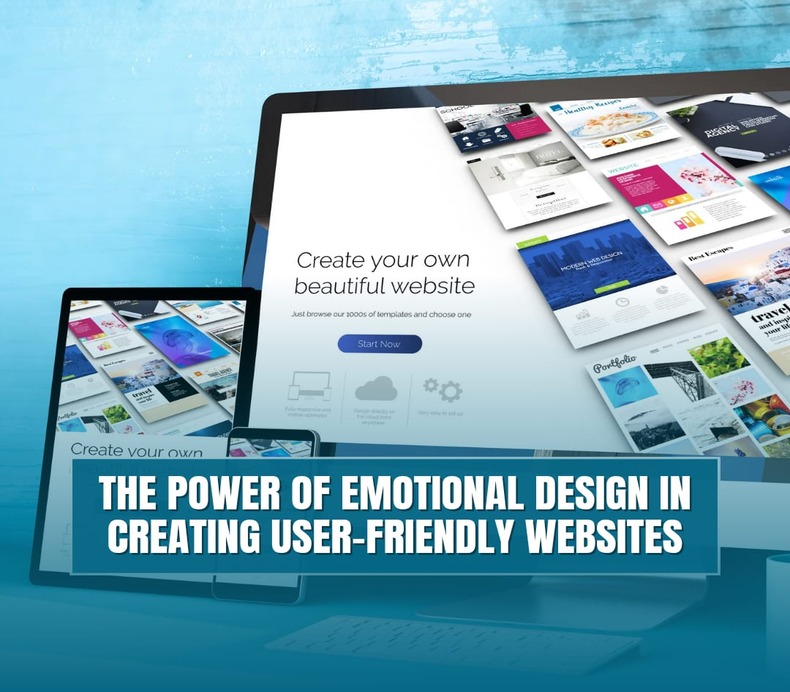
Whereas websites don’t truly have feelings, they do make clients feel something. And that’s where the concept of user-centric plan gets to be effective. It’s not around how a location looks—it’s approximately how it feels to utilize. It’s almost planning with compassion, clarity, and human brain research in intellect.
🧠 The Brain Research Behind the Screen
Each interaction on web website triggers an enthusiastic reaction, whether inconspicuous or solid. These responses can decide whether a client remains or takes off, investigates or bounces, buys or forsakes.
Think almost:
A befuddling checkout page that causes uneasiness.
A delicate color palette that feels calming.
A witty mistake message that diffuses dissatisfaction.
User-centric plan taps into these responses intentionally. It inquires:
How does my client feel right now?
What do they want to do following?
How can I offer assistance to make them feel sure, inquisitive, or calm?
🎯 What Makes a Plan Really “User-Centric”?
User-centric plan is more than responsiveness and availability. It’s approximately understanding the feelings and eagerness of the client at each step. Here’s how it appears on real-world websites:
Clarity over clutter:
Clean interfacing diminishes cognitive stack, making clients feel more in control.
Enthusiastic color theory:
Blues for believe, greens for calm, reds for urgency—colors talk louder than we think.
Micro-interactions:
Drift impacts, victory activities, or little haptic input that says, “Hello, we heard you.”
Mindful dialect:
Inviting CTAs (“Let’s go!” rather than “Submit”) can feel more welcoming.
Stacking screens with compassion:
Indeed, an intelligent loader can turn disappointment into beguilement.
The more web site feels human, the more clients interface with it. Individuals do not keep in mind each specialized detail, but they do keep in mind how your site made them feel.
💡 Planning for Enthusiastic Ventures
Each client visits web website with a purpose, and regularly, with a feeling joined to that reason.
Somebody booking a flight may feel surged or overpowered. A understanding investigating side effects may feel on edge. A understudy marking up for a course might feel cheerful but dubious.
Awesome plan recognizes these passionate section focuses and guides the client delicately and instinctively toward their objective.
For the case:
Foreseeing questions with social verification (surveys, tributes).
Supplanting fear with security (clear approaches, unmistakable support).
Fortifying victory with empowering visuals and advanced bars.
This isn’t manipulation—it’s the empathy-driven plan.
💡 Planning for Passionate Ventures
Each client visits an online site with a purpose, and frequently, with a feeling connected to that reason.
Somebody booking a flight may feel hurried or overpowered. A understanding inquiring about side effects may feel on edge. A understudy marking up for a course might feel cheerful but questionable.
An extraordinary plan recognizes these passionate sections’ focus and guides the client tenderly and naturally toward their objective.
For illustration:
Expecting questions with social verification (surveys, tributes).
Supplanting fear with security (clear approaches, unmistakable support).
Strengthening victory with empowering visuals and advanced bars.
This isn’t manipulation—it’s the empathy-driven plan.
🌍 Additional Layers of Emotion in Design
Here are a couple of more ways emotion-driven planning appears in unobtrusive but capable ways:
Personalization:
Welcoming clients by title or appearing custom-fitted based on behavior makes recognition and consolation.
Blunder dealing with elegance:
An amusing 404 page or a delicate statement of regret in case of disappointment can diminish client dissatisfaction and increase brand likability.
Utilization of narrating:
Whether it’s through visuals, product descriptions, or a brand’s around page—stories inspire feeling and construct believe.
Sound and movement:
Unpretentious sounds or liveliness can flag affirmation, direct attention, or indeed make minutes of charm.
Plan for inclusivity:
Guaranteeing openness for all users—including those with disabilities—not as it were increases convenience but also passes on care and regard.
These subtle elements may appear small, but together they shape the passionate story of the client’s involvement.
🚀 Why Emotion-Driven Plan = Way better Execution
Planning with feeling isn’t fair a feel-good concept. It’s keen trade. Websites that get it client feeling tend to outflank those that do not.
They see:
Lower bounce rates
Longer session lengths
Higher transformation rates
More positive input
More noteworthy brand devotion
In a competitive computerized world, how your website makes somebody feel may be the edge you’ve been missing.
📌 Last Contemplations:
Let Your Site Feel Human
Today’s clients anticipate more than usefulness. They need association. They need to feel understood, supported, and indeed pleased by the computerized spaces they enter.
So, what if websites had feelings?
They as of now do—through the individuals who plan them, the clients who explore them, and the encounters built in between.
Long haul of web plan isn’t just responsive. It’s candidly brilliant.