Let’s get real for a second: when software projects go sideways, everyone points at the usual suspects—crazy budgets, delays out the wazoo, janky features. The real villain? Misaligned expectations. Yeah, it’s boring and rarely makes the big headlines, but it’ll nuke a project faster than a bug in your payment module.
Here’s the thing: you can patch crappy code and rework ugly UIs ’til the cows come home. But if people aren’t on the same page about what’s being built, why it’s being built, and what a “win” actually looks like? Honestly, you’re toast.
So, what’s the deal with misalignment? It sounds fuzzy, but it plays out in a thousand bite-sized ways:
* The big boss hears “MVP” and dreams of a stunning, all-singing, all-dancing launch thing—devs are out here thinking it’s a duct-taped demo.
* Someone offhandedly says “AI-powered dashboard” once in a meeting, and now a stakeholder is telling their friends it’s coming next month. The engineers are like, “Uh, that’s Phase 2. Maybe.”
* QA breezes through a supposedly minor feature? Joke’s on them, turns out the client saw it as the centerpiece.
These little gaps feel harmless one at a time. But stack enough of ’em and suddenly your project is drifting like a lost kayak. Next thing you know, you’re nowhere close to your actual target. Oops.
Why’s this misalignment stuff so deadly? Oh boy:
* Features start sneaking in because nobody nailed down what’s “must-have” vs “nice-to-have.” Get ready for the budget to go kaboom.
* Devs burn cycles cranking out stuff nobody wanted. That’s a literal money bonfire right there.
* Trust goes out the window. Stakeholders think you’re clueless, the team starts getting snippy, and hello, communication shutdown.
* Even if the product works technically, nobody actually wants it. Just… chef’s kiss, right?
* The team gets fed up, quits caring, or even ghosts entirely. Nobody enjoys building Frankenstein 2.0 after scope changes for the fiftieth time.
Now, how does this alignment train wreck even happen?
* Vague requirements. Stuff like “make it fast” isn’t a spec—it’s a pipe dream.
* Everyone assumes everyone else “just gets it.” The business side thinks the coders can read their minds. Developers are hoping executives actually know where reality ends and fantasy begins.
* Teams scattered everywhere, stuck in endless Slack threads with zero real check-ins.
* Priorities change on a random Tuesday, but nobody tells the people actually doing the work.
Let me hit you with a true story: There’s this SaaS company—they yell “mobile app!” and execs picture something that works perfectly offline. Dev team? They figure it means slap a responsive wrapper on the web app and call it a day. Six months later, they ship. The users’ verdict? “Wow, so it’s like… just the website, but worse.” The project wasn’t even broken; it just wasn’t what anybody meant to order. Classic.
Wanna know if your project’s heading down this misalignment path? Watch for these :
* Stakeholders nagging about “Feature X” when you thought that was out of scope. Uh-oh.
* Devs have no idea where to start: “Do we tackle A or B first?”
* Features getting swapped in mid-sprint with no receipts.
* Demos are met with blank stares and “that’s not it” groans.
If you’re seeing these, do something now. Before you blow three sprints building the wrong thing.
Alright, so how do you fix it? Here’s some real talk:
1. Show, Don’t Just Tell
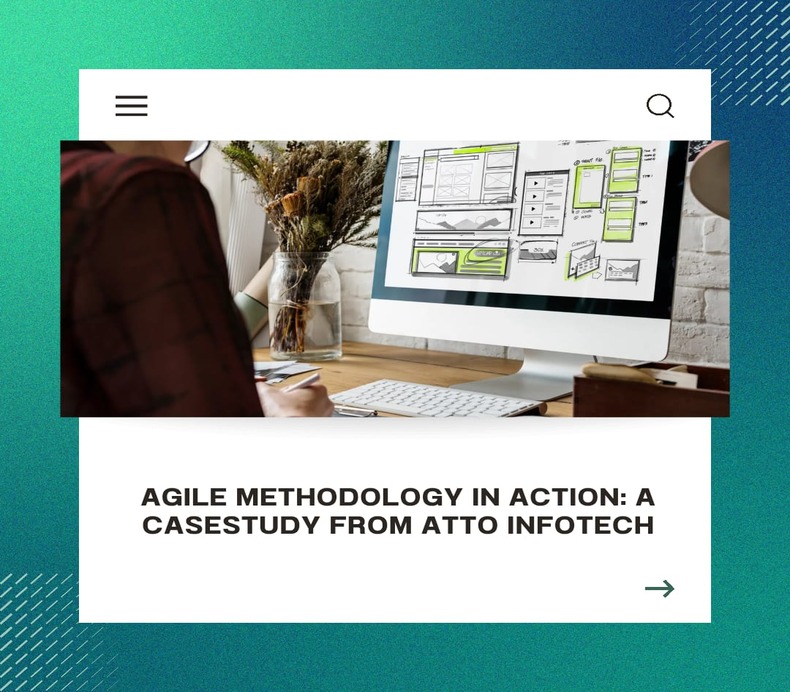
Hand-wavy notes and memories aren’t enough. Get some mockups, diagrams—heck, even a napkin sketch beats another tedious meeting recap.
2. Pin Down What “Done” Means
Ask everyone what “done” looks like. Write it out, get sign-off, stick it where everyone sees it daily. Stuff like “three killer features by Q3,” not “um, a working app, I guess?”
3. Over-Communicate
Seriously, set up weekly or bi-weekly status checks. Demos, mini check-ins, whatever. Don’t assume “no news is good news.”
4. Handle Changes Like a Pro
Changes happen, but don’t let them sneak in through the back door. Evaluate, document, update timelines, and get actual buy-in before cracking open any new feature.
5. Get Real Users Involved Early
Nothing beats actual users poking big holes in your prototype. Save yourself a week of rework down the road.
6. Write Stuff Down. Please.
When you change direction or re-prioritize, log it somewhere accessible. Avoid the “Wait, I thought we agreed…” horror show.
7. Teach the Process
Not everyone knows what “agile” means outside of yoga class. Run a crash course for the non-technical staff so you’re all playing the same game.
Stuff That Actually Keeps Teams Aligned
Alright, let’s be real—there’s no single, magic “alignment app” out there. But a decent toolkit goes a long way. Project trackers like Jira or Asana? Great for herding cats, a.k.a. tickets. Trello’s cool if you’re a visual person. When you wanna show, not just tell, Figma or Adobe XD lets you make things look real before you even write a line of code. Docs? Notion, Confluence, SharePoint—pick your poison, as long as everyone can find the latest version. Oh, and don’t sleep on regular demos—seriously, nothing says “we missed the point” like a Friday reveal that’s completely off-track.
Tools aren’t fairy dust. They just make problems loud enough that you can’t pretend everything’s fine.
Culture Eats Tools For Breakfast, Though
Let’s talk about culture, because you can’t duct-tape your way out of people not trusting each other. When it’s okay to look “dumb” asking clarifying questions, guess what? People catch confusion before it costs months of work. But in teams where everyone’s scared to rock the boat, all those little mismatches get swept under the rug… until the rug’s a tripping hazard and everyone’s falling flat.
Literally, beg for “dumb” questions. Get everyone arguing (nicely) early and often. Fixing stuff’s cheap before you build yourself into a corner.
Before You Even Start—Seriously, Check These Off
✅ Are we all actually talking about the same project, with real success metrics we wrote down somewhere?
✅ Does developer lingo match what your PM and stakeholders mean by “done,” “MVP,” and “release”? (If not, yikes.)
✅ Is there ONE place to look for the latest requirements, not a dozen contradicting docs buried in emails?
✅ Have we figured out how we’ll keep each other in the loop—like, who’s showing what, and when?
✅ Did we sanity-check this with actual users, or are we just guessing?
If you’re nodding “yes” to most, congrats: you’ve dodged the silent scope creep monster—at least for now.
Here’s The Whole Truth
Bad expectations aren’t flashy—they won’t crash your servers or set off screaming PagerDuty alerts. They just poison everything beneath the surface. Trust erodes, budgets catch fire, everyone’s miserable, and nobody can pin down what went wrong.
But look, alignment’s not some unattainable unicorn. If you keep stuff written down, actually talk to each other, invite real-life users to poke holes in your work, and deal with changes on purpose? Suddenly, things get sane. Predictable, even—imagine that.
Honestly, writing code is the easy bit. Getting everyone on the same page about what you’re building? That’s the mountain. Treat alignment like it’s an official deliverable, not just an afterthought tacked onto your “real” work. Do that, and you just might avoid the ghost ship of failed projects haunting tech.